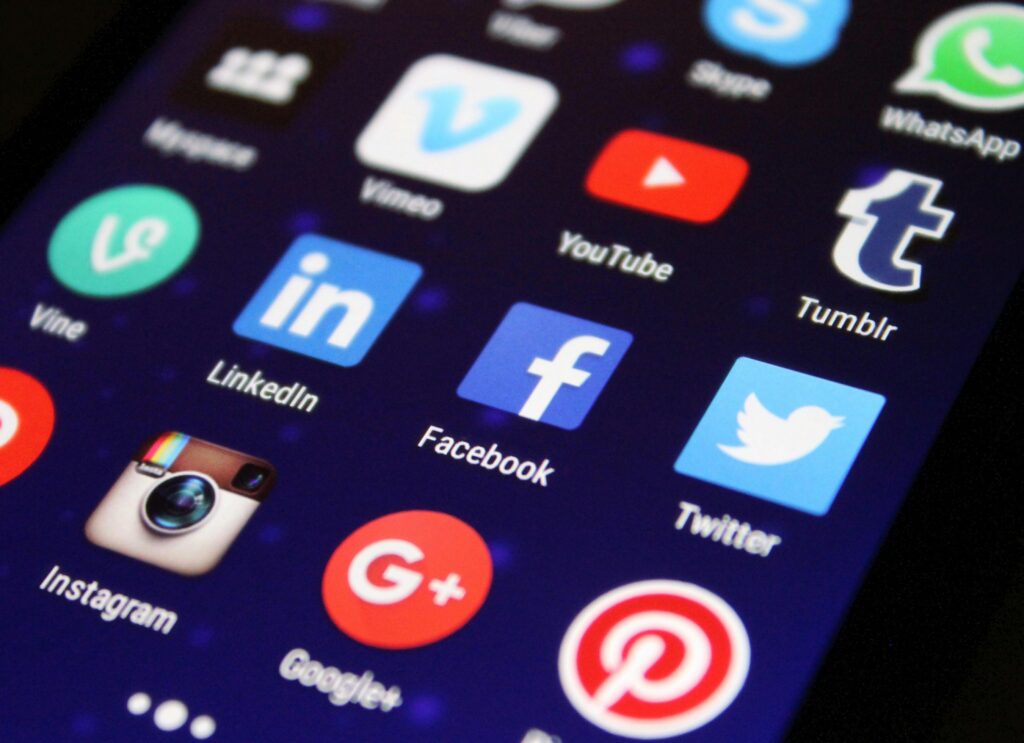
As a small business owner, you’re probably feeling the pressure to be everywhere online. Instagram, Facebook, TikTok, LinkedIn, Twitter, Pinterest… the list of platforms keeps growing, and so does the anxiety of potentially missing out on customers. I’ve worked with hundreds of small business owners who ask the same question: “How many social media accounts should my business really have?”
Let’s cut through the noise. The truth is, being on every platform isn’t just unnecessary—it can actually harm your business if you’re spreading yourself too thin. In this guide, we’ll explore how to make strategic decisions about your social media presence that align with your business goals, available resources, and target audience.
The Reality of Social Media Management for Small Businesses
Before we dive in, let’s acknowledge something important: social media management is real work. According to recent small business surveys, the average small business owner spends 6-10 hours per week on social media marketing. That’s essentially a full workday—time you could be spending on product development, customer service, or even taking a much-needed break.
Social media isn’t just about posting content and logging off. Effective social media marketing requires:
- Creating high-quality, platform-specific content
- Engaging with followers through comments and messages
- Monitoring industry trends and conversations
- Analyzing performance metrics
- Staying updated on platform algorithm changes
- Responding to customer service inquiries
With limited time and resources, stretching yourself across too many platforms often results in subpar performance everywhere rather than excellence somewhere.
Understanding Platform Demographics: Where Is Your Audience?
The first step in deciding which platforms deserve your attention is understanding where your target customers spend their time. Let’s look at the latest demographics and usage patterns:
Facebook: Despite rumors of its demise, Facebook remains the most-used social platform globally with 2.9 billion monthly active users. The platform skews slightly older, with strongest usage among 25-54 year-olds. It’s particularly valuable for local businesses, service providers, and community-based organizations.
Instagram: With over 1 billion users, Instagram continues to dominate visual storytelling. Its core demographic is 18-34 year-olds, making it essential for businesses targeting millennials and Gen Z. Retail, fashion, food, travel, and lifestyle brands typically see strong engagement here.
LinkedIn: With 875 million members, LinkedIn is the undisputed champion for B2B marketing, professional services, and recruitment. Users are primarily college-educated, business-focused individuals. If you’re selling to other businesses or professionals, LinkedIn deserves priority status.
TikTok: Growing explosively to over 1 billion active users, TikTok dominates among younger demographics, particularly Gen Z. The platform rewards creativity and authenticity over polish, making it accessible for small businesses willing to experiment with video content.
Twitter: With approximately 450 million monthly active users, Twitter excels for businesses in news, technology, entertainment, and politics. It’s where conversations happen in real-time and can be valuable for customer service and thought leadership.
Pinterest: With 445 million users (predominantly women), Pinterest functions more as a visual search engine than a traditional social network. It’s particularly valuable for businesses in home décor, fashion, food, crafts, and wedding industries.
YouTube: Often overlooked in social media discussions, YouTube’s 2.6 billion active users make it the second largest search engine after Google. It’s essential for businesses investing in video content and tutorial-based marketing.
Ask yourself: Where do your ideal customers hang out online? Which platforms align with your product or service offering? Social media success begins with strategic platform selection based on audience alignment, not the latest trends.
Assessing Your Resource Reality: Be Honest About Capacity
The most overlooked factor in social media planning is realistic resource assessment. Before committing to any platform, consider:
Time Availability: How many hours weekly can you or your team realistically dedicate to social media marketing? According to social media management experts, maintaining a quality presence on one platform requires at least 3-5 hours per week.
Content Creation Capabilities: Different platforms demand different content types. Do you have photography skills for Instagram? Video production abilities for TikTok or YouTube? Writing skills for LinkedIn or Twitter?
Budget Constraints: Will you need to invest in equipment, software, or freelance support to create platform-appropriate content?
Team Expertise: Does your team have platform-specific knowledge? Each social network has its own best practices, features, and audience expectations.
Consistency Potential: Can you maintain regular posting schedules and timely responses over the long term, even during busy seasons?
Remember that social media marketing isn’t free—it costs either money or time (usually both). Being realistic about your resources prevents the all-too-common cycle of enthusiastic starts followed by neglected accounts.
Industry Alignment: Where Does Your Business Type Thrive?
Certain industries naturally perform better on specific platforms. Understanding these alignments can help prioritize your efforts:
Retail/E-commerce: Instagram and Pinterest should be priorities, with Facebook and TikTok as strong secondary platforms. These visually-driven networks showcase products effectively and drive purchase intent.
Professional Services (Legal, Financial, Consulting): LinkedIn should be your primary focus, with Twitter and Facebook as potential secondary channels. Content marketing and thought leadership perform well here.
Restaurants/Hospitality: Instagram and Facebook deliver the strongest ROI, with TikTok growing in importance. Food and experience-based businesses benefit from visual storytelling.
Creative Industries (Design, Photography, Art): Instagram, Pinterest, and increasingly TikTok provide the visual showcase these businesses need. YouTube can be valuable for tutorial content.
B2B Businesses: LinkedIn should be your cornerstone platform, with Twitter and potentially YouTube supporting your content marketing efforts.
Local Service Businesses (Plumbing, Cleaning, etc.): Facebook and Google Business Profile (technically not social media but essential for local visibility) should be primary focuses.
Health and Wellness: Instagram and YouTube work well for demonstrating techniques and building community, while Pinterest can drive traffic for specific topics.
Focusing on industry-aligned platforms increases your chances of connecting with interested audiences and generating meaningful engagement.
The Strategic Approach: Start Small, Scale Smart
Rather than asking “how many accounts should we have?”, reframe the question as “where should we start, and how might we expand?” Here’s a strategic framework based on business size:
For Solopreneurs and Microbusinesses:
- Start with: 1 platform mastered completely
- Expand to: A second platform only after establishing consistent processes
- Focus on: The single most relevant channel for your specific audience and offering
- Time investment: 3-5 hours weekly on a single platform
For Small Businesses (2-10 employees):
- Start with: 2 complementary platforms
- Expand to: A third platform when resources permit
- Focus on: Primary channel for deep engagement, secondary channel for wider reach
- Time investment: 5-10 hours weekly across platforms
For Growing Businesses (11-50 employees):
- Maintain: 3-4 strategic platforms with dedicated resources
- Consider: Specialized platforms based on specific business goals
- Focus on: Integrated cross-platform strategy with consistent messaging
- Time investment: 10-20 hours weekly or dedicated personnel
This graduated approach allows you to establish quality over quantity, creating sustainable systems before expanding.
Mastering Cross-Platform Efficiency: Work Smarter, Not Harder
When managing multiple platforms becomes necessary, efficiency becomes crucial. Here are strategies to maximize impact while minimizing time investment:
Content Repurposing: Create “content pillars” that can be adapted across platforms. For example, a single video interview can become:
- Short clips for Instagram and TikTok
- Pull quotes for Twitter
- Full interview for YouTube
- Article summary for LinkedIn
- Visual highlights for Pinterest
Batch Creation: Designate specific times for content creation rather than creating daily. Many successful small businesses create a month’s content in 1-2 focused sessions.
Automation Tools: Invest in scheduling platforms like Hootsuite, Buffer, or Later to plan and schedule content in advance, maintaining presence without requiring daily attention.
Workflow Systems: Develop standard operating procedures for content creation, approval, scheduling, and engagement to reduce decision fatigue.
Analytics Efficiency: Rather than constant monitoring, schedule weekly or bi-weekly review sessions to analyze performance and make strategic adjustments.
Outsourcing Strategically: Consider delegating specific tasks (content creation, community management, or analytics) while maintaining strategic oversight.
These efficiency practices make multi-platform management sustainable without sacrificing quality.
Warning Signs: When to Consolidate or Expand
Your social media strategy should evolve based on performance and resource availability. Here are key indicators to watch:
Signs You’re Overextended:
- Posting inconsistently or missing your scheduled calendar
- Taking more than 24 hours to respond to comments or messages
- Seeing declining engagement metrics across platforms
- Receiving customer complaints about responsiveness
- Feeling constant stress about content creation deadlines
- Posting similar content everywhere without platform optimization
If you’re experiencing these symptoms, it’s time to consolidate efforts on fewer platforms.
Signs You’re Ready to Expand:
- Consistently high engagement rates on existing platforms
- Efficient content creation processes with room for more volume
- Customer requests for presence on additional platforms
- Clear strategy and goals for the new platform
- Resources available for proper execution
- Analytics showing audience growth potential on new platforms
Expansion should be deliberate and resource-backed, not driven by FOMO (fear of missing out).
Setting Realistic Expectations: Social Media ROI Takes Time
Perhaps the most important reality to understand is that social media success rarely happens overnight. According to digital marketing benchmarks, new business accounts typically see:
- 3-6 months to establish initial audience traction
- 6-12 months to develop meaningful engagement patterns
- 12+ months to achieve significant business impact through organic methods
This timeline underlies why focus matters so much. Spreading resources too thin extends these timelines across all platforms, while concentration can accelerate results on priority channels.
The Strategic Decision Framework: Making Your Final Choice
To determine your optimal platform mix, ask these critical questions:
- Audience Alignment: Where does your specific target audience spend the most time and engage most actively?
- Content Compatibility: Which platforms align with the type of content you can realistically create with available resources?
- Business Objectives: What are your primary goals—brand awareness, community building, lead generation, customer service, or direct sales?
- Competitive Analysis: Where are your competitors finding success, and where might you identify underserved opportunities?
- Measurement Capability: Can you effectively track and attribute results from each platform to justify the investment?
- Resource Reality: What can you consistently maintain with excellence over the long term?
The answers to these questions will guide you toward the right platforms for your unique business situation.
Conclusion: Quality Always Beats Quantity
In today’s digital landscape, the most successful small businesses aren’t those with the most social accounts—they’re the ones with the most effective social strategies. Rather than diluting your efforts across every available platform, focus on excellence where it matters most to your specific business.
Remember that an abandoned or neglected social account actually damages your brand more than having no presence at all. Customers who discover outdated profiles often question whether the business is still operating or how responsive they’ll be to inquiries.
Start with one platform done exceptionally well. Expand only when you’ve mastered your processes and have the resources to maintain quality across channels. Be strategic rather than scattered, focused rather than frantic.
Your social media presence is an extension of your customer experience. Make it count where it matters most.
Leave a Reply